PYQ Series
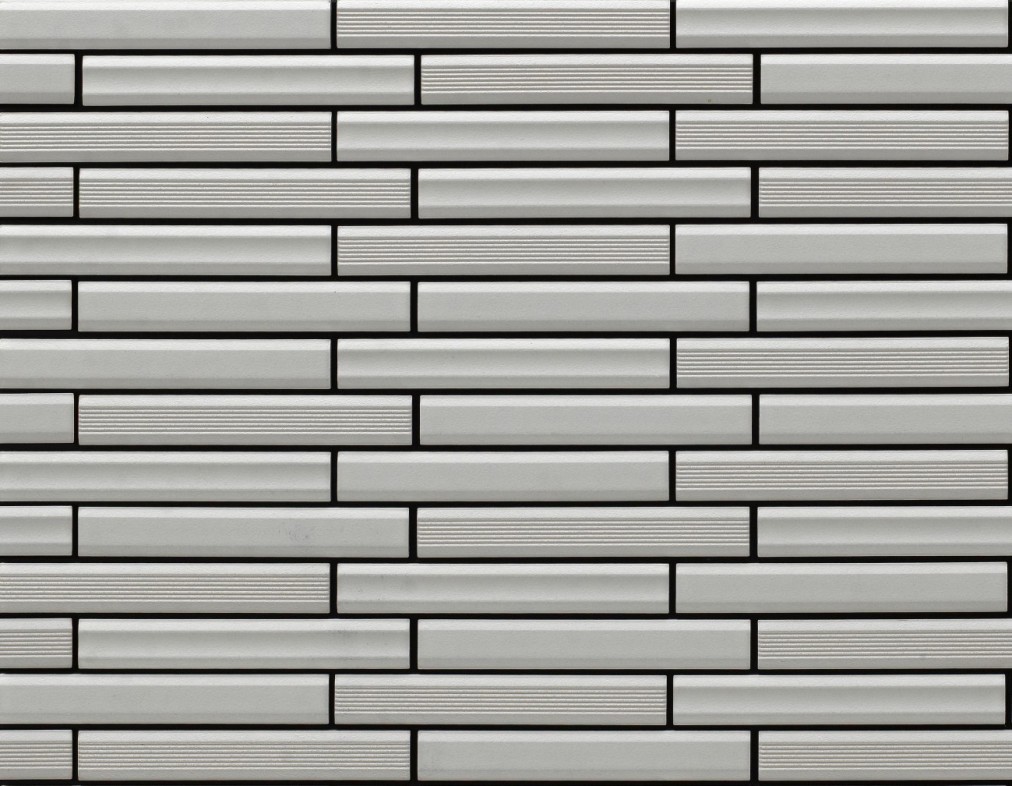
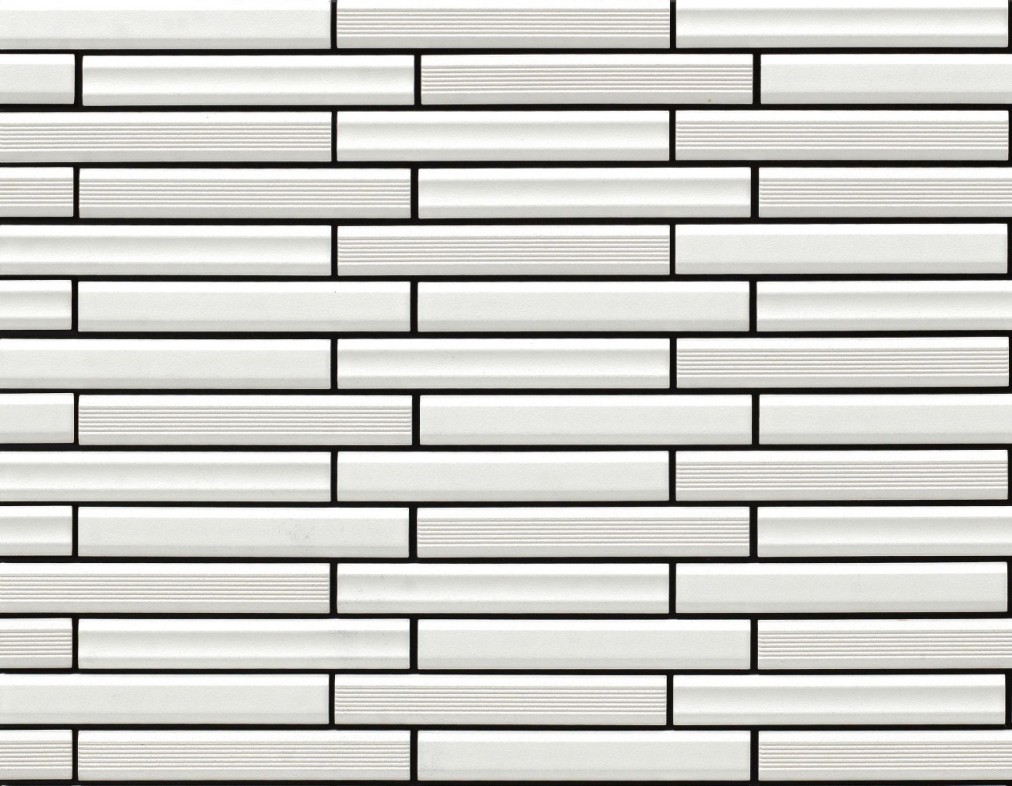
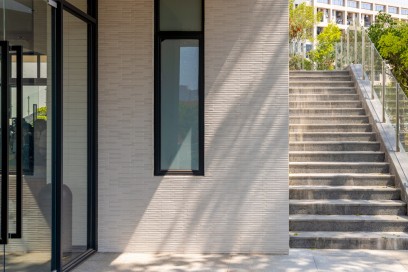
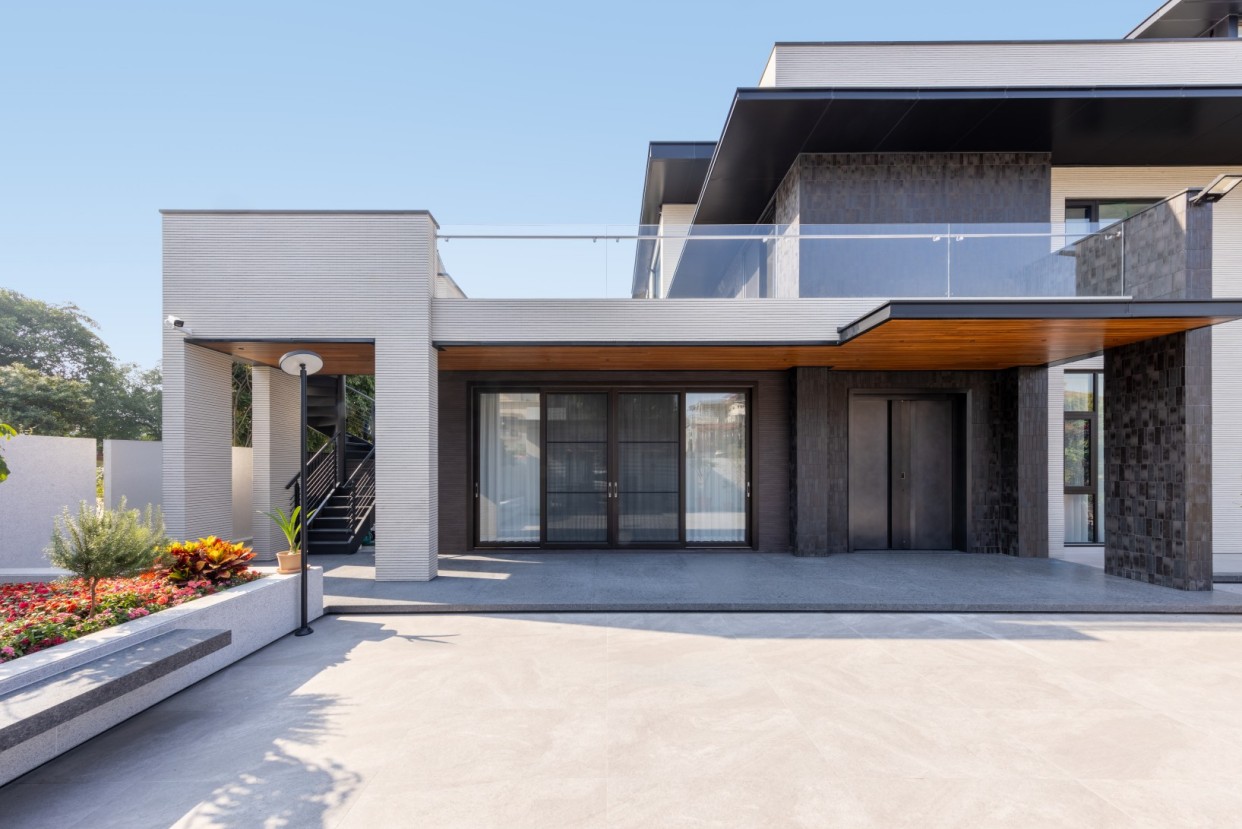
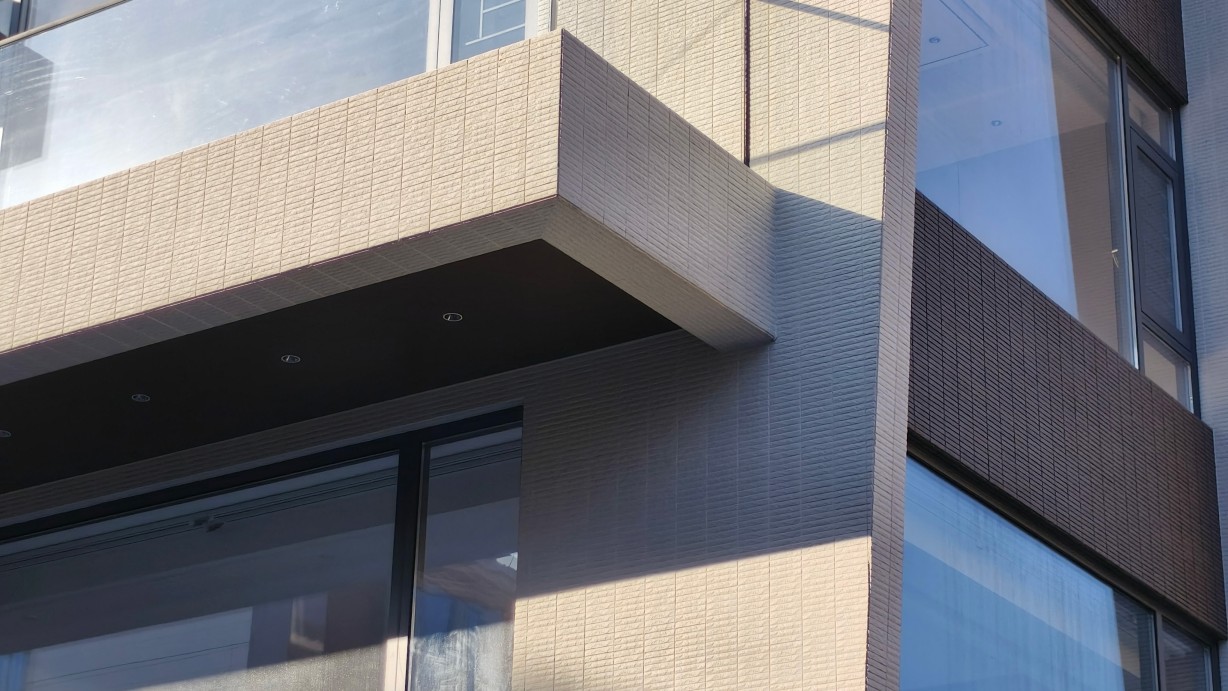
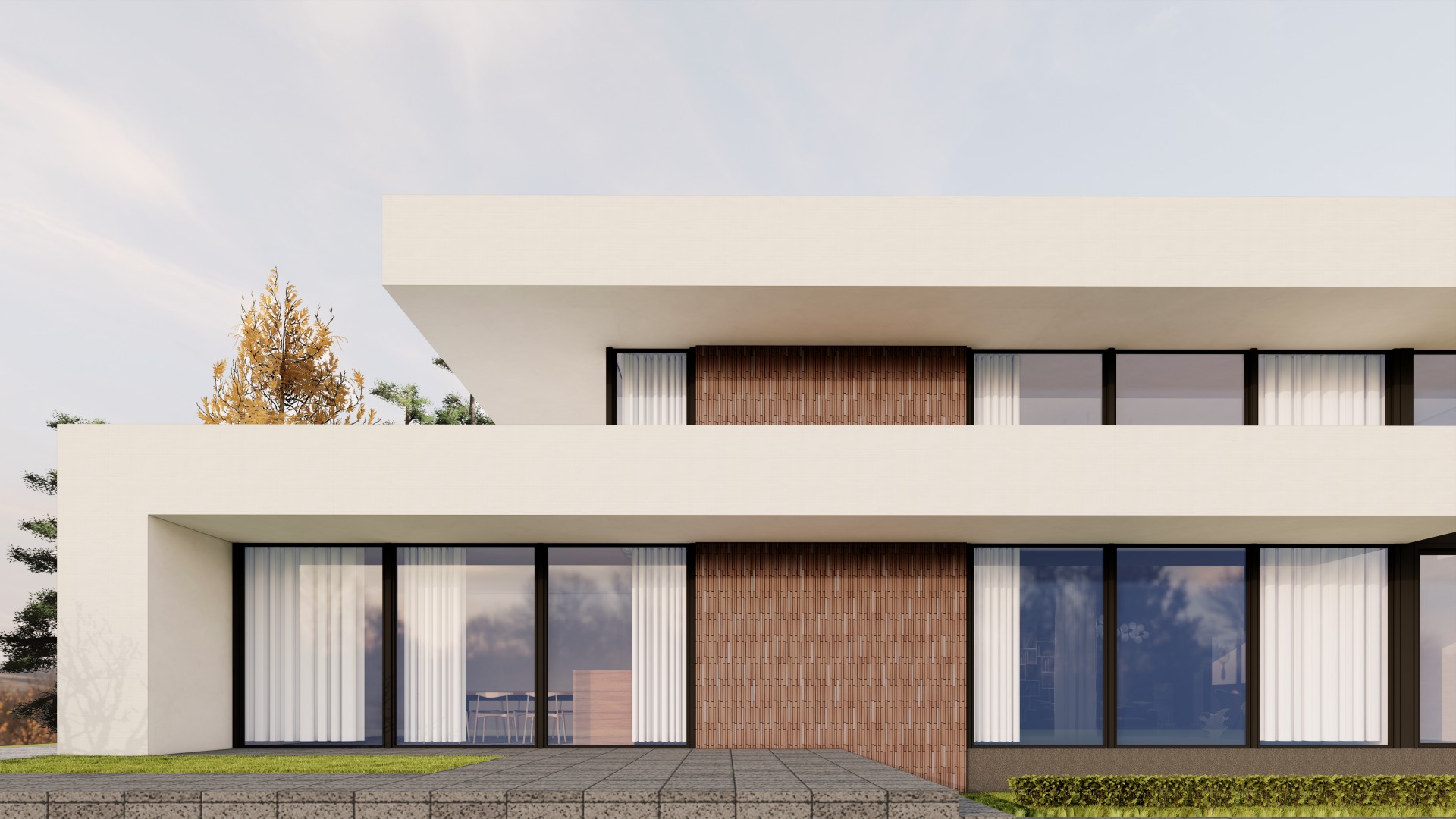
The slender shape combined with various planar designs, randomly arranged yet harmoniously unified, with a single color but with variations, creates a modern, dynamic and Zen-like visual space.
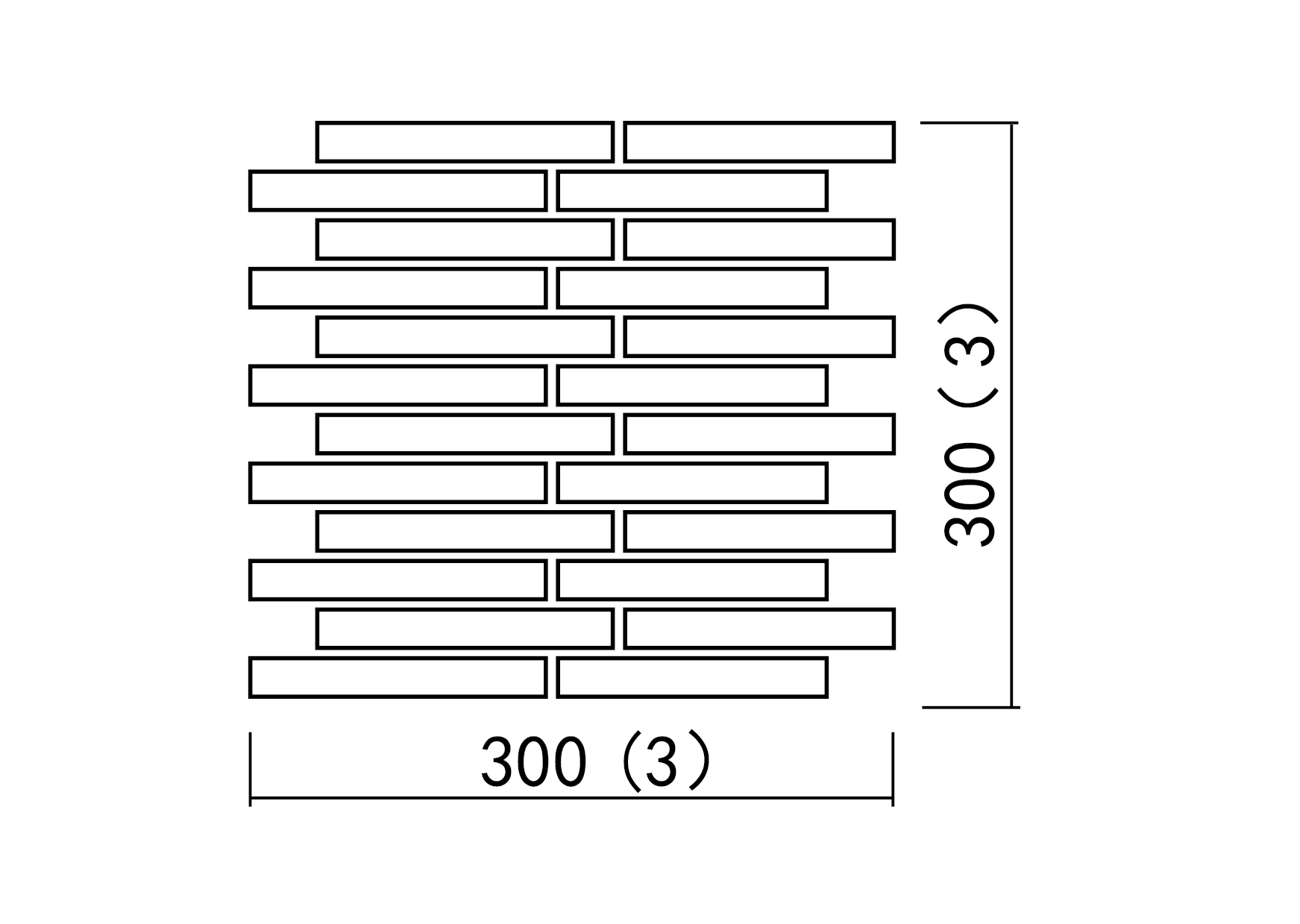
| Processing method | Product Number | Single brick size | Brick size | Square meter conversion factor | Number of entries (boxes) | Weight (kg/case) | Suggestion for the mortar joint |
|---|
| Surface sticker | PYQ-68T/WTR-W02 | 147×22×7.4 | 297×267 | 11.1only/㎡ | 20only | 22 | 3 |
| Surface sticker | PYQ-68T/QHS-Y07 | 147×22×7.4 | 297×267 | 11.1only/㎡ | 20only | 22 | 3 |
Surface sticker
Process characteristics
Transparent glaze surface, restoring nature
The transparent texture restores the original texture of natural stone, and its surface can gently absorb light, effectively reducing glare interference, thus more clearly highlighting the randomly distributed and variable natural textures, giving the brick surface a delicate touch and a natural visual charm.
Multiple glazing layers, rich in layers
Through precise molds and glaze layering technology, the surface of the brick forms a real and continuous concave and convex undulation, with a natural touch, restoring the original texture of the stone and the subtle shadow changes, giving a vivid and overall effect of laying.
Interlocking brick laying, simple construction
By pre-randomly matching the mixing ratio through interlocking brick method, the cumbersome laying operations during construction are reduced, ensuring the harmony and beauty of the tiles after being installed on the wall.
All-ceramic craftsmanship, lasting forever
Using high-temperature slow-burning refined technology, carefully creating all-ceramic masterpieces, ensuring the excellent intrinsic quality of the product, and remaining clean and new even after years of exposure to the elements.
Notes for Attention
■ Differences may occur due to the tolerance of tile sizes.
■ Color variations may occur due to the mixed multi-faceted design.
■ The front stickered interlocking tile products have adhesive residue on the tile surface. After removing the paper, be sure to clean the adhesive residue on the surface thoroughly.
■ When using black or very dark gray grout, be careful not to let the grout stain the tile surface. It is recommended to try it on an inconspicuous area first.